
If you have spent any time browsing menswear forums or scrolling through outfit posts from Tokyo, you have probably clocked a Taion vest tucked under a coat at some point without even realising it. Taion is a Japanese outerwear brand whose name translates literally to “body temperature,” and that single word sums up what the whole label is built around: keeping you warm without adding bulk. At Urban Industry we have stocked Taion for years, and in that time the same handful of questions come up again and again from customers who are close to buying but want the details straight before they part with their cash. So we have pulled together everything we know, plus what we have found through our own research, into one proper guide.
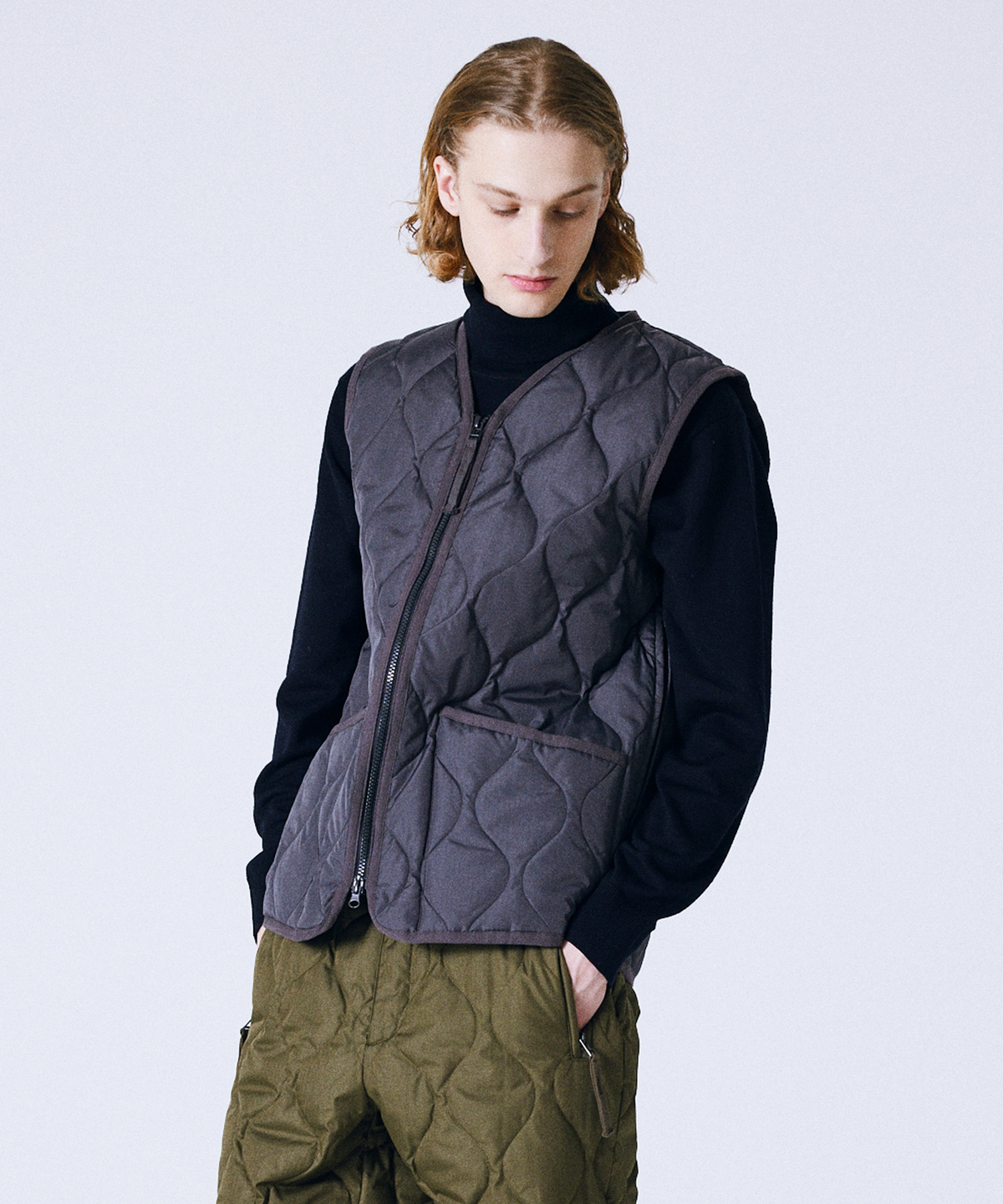
Taion vests are down-filled gilets designed first as a layering tool rather than a standalone statement piece. That is an important distinction, because it shapes almost every decision the brand makes, from the slim quilting to the soft, compressible fill. In our opinion, that is exactly why they have built such a loyal following: they solve a genuine problem, which is how to add real warmth to an outfit without turning yourself into a marshmallow. Whether you are after a Taion Military V-Neck Down Vest for everyday wear or you are eyeing up the full Taion collection for the colder months ahead, this guide should answer the questions you have been quietly Googling.
Key Features
Taion’s signature is its fill. Most of the range uses a blend of roughly 90% down and 10% feather, which gives you the compressibility and heat retention of down without the fill migrating and clumping the way cheaper feather-only vests tend to. Several models in the line-up carry an 800 fill power (FP) rating, which is high for a garment this size and this price. Fill power measures how much loft a given weight of down produces, so a higher number means more trapped air, and more trapped air means more warmth for less weight. In practical terms, you get a vest that weighs next to nothing yet performs like something much heavier.
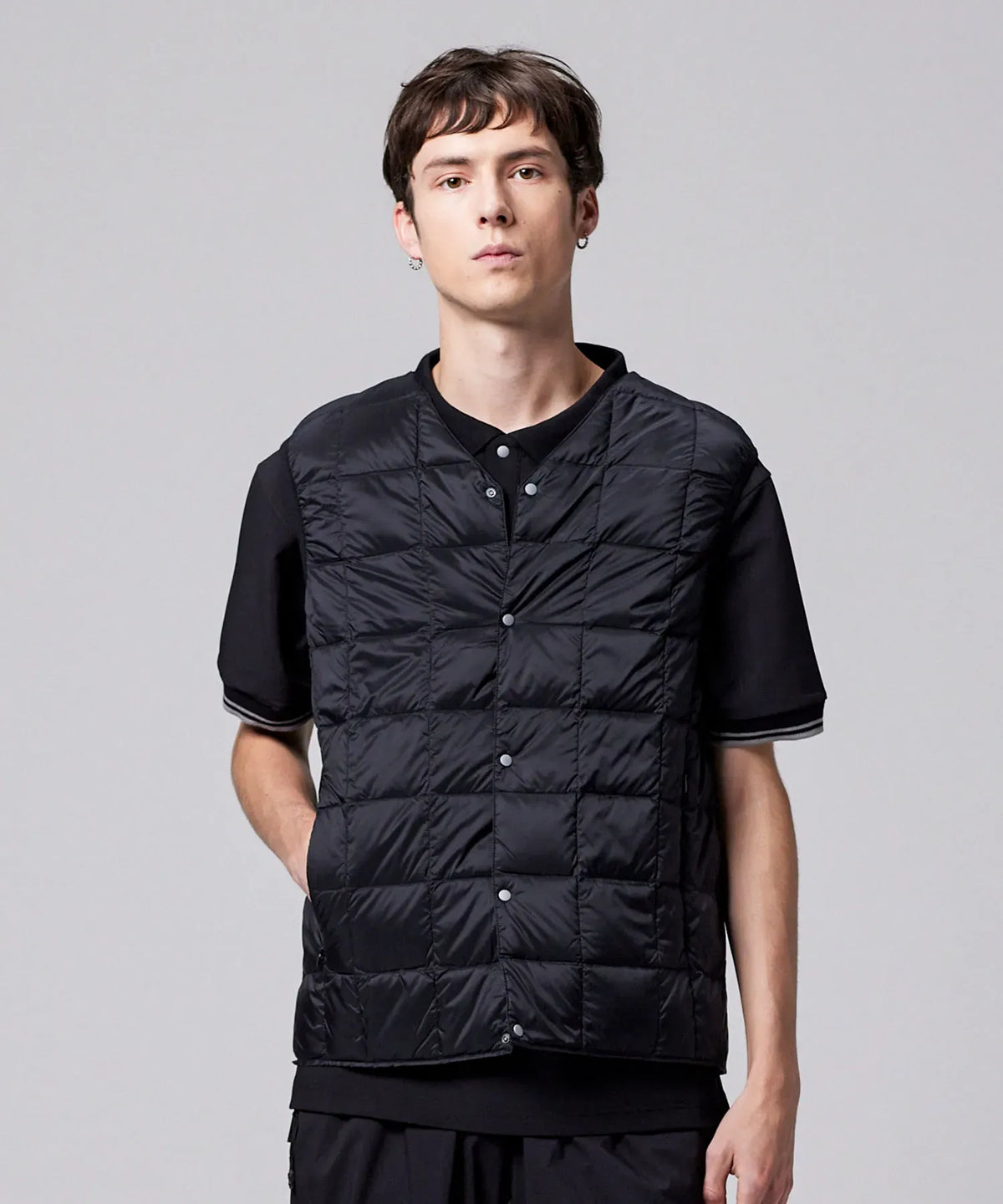
The outer shell is where the other half of the engineering happens. Taion uses a high-density nylon, often with a ripstop weave, that is treated with a water-repellent finish. That shell does two jobs at once: it keeps light rain and wind from soaking straight through to the down, and it acts as a barrier that stops the fill from working its way out through the seams over time. The quilting pattern, usually a neat square or diamond grid, is not just there to look tidy either. It keeps the down evenly distributed across the panel instead of settling at the bottom, which is a common complaint with poorly made puffer vests after a season or two of wear.
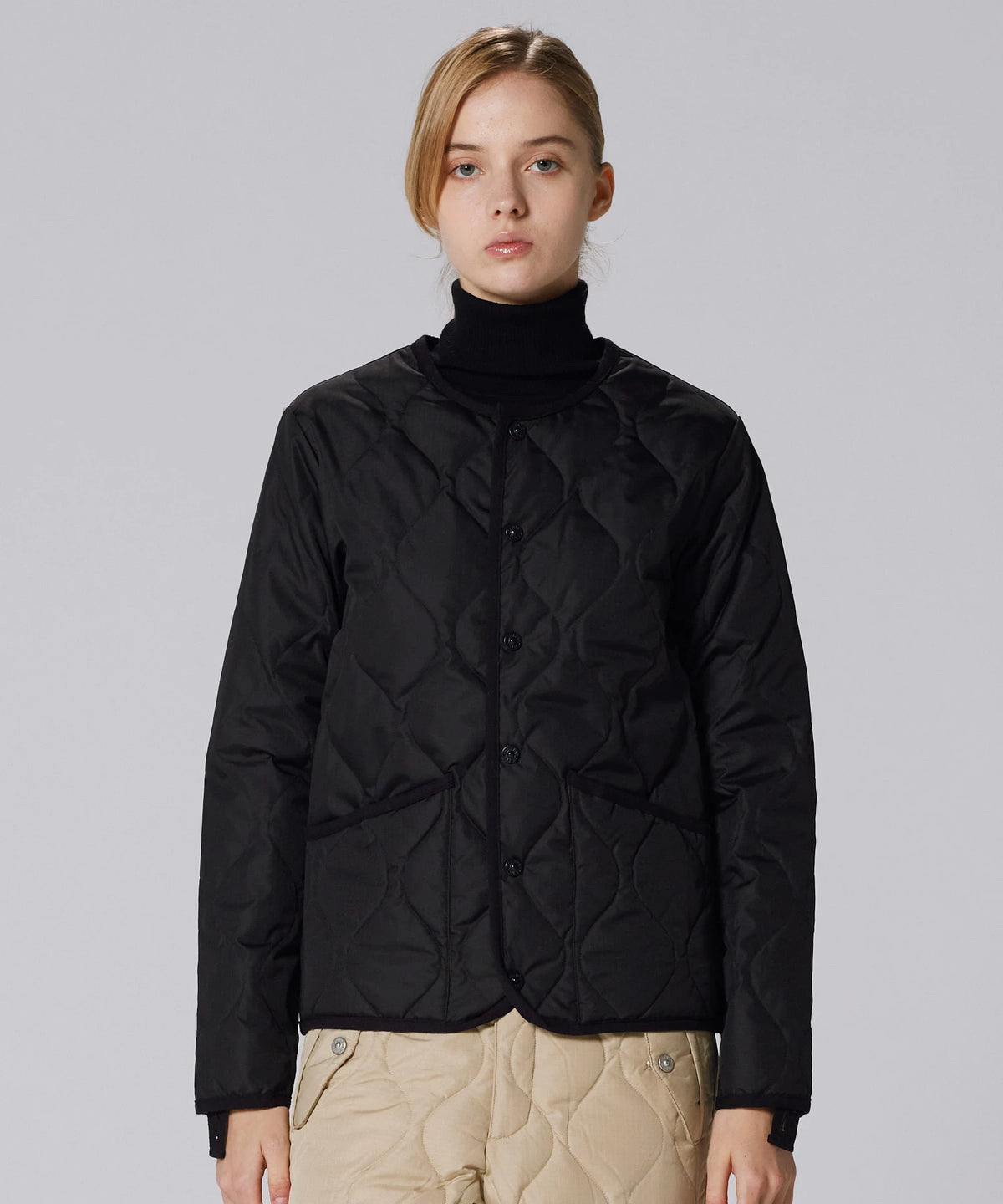
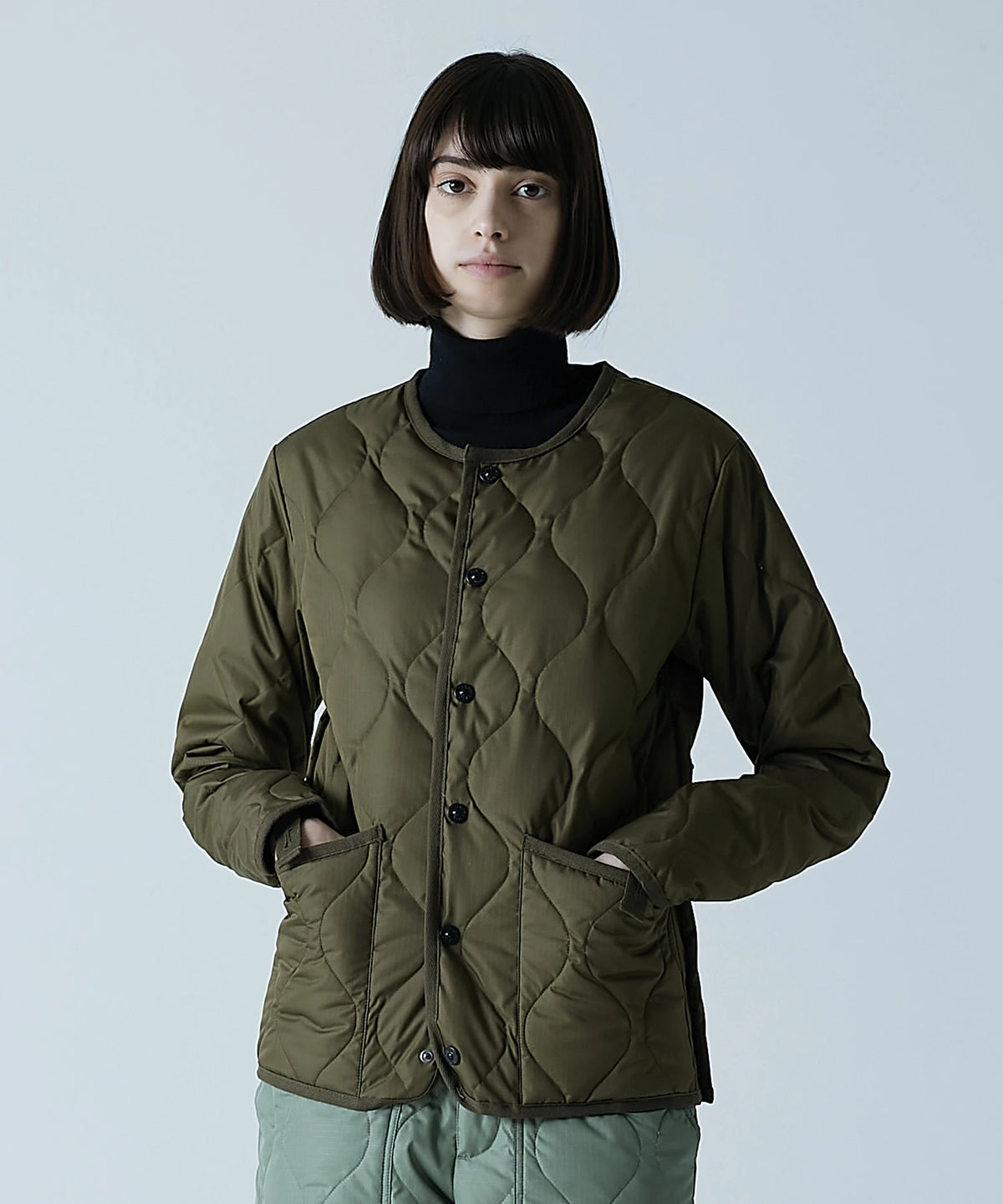
Most models come with a two-way YKK zip and side vents or slits that let you adjust the fit slightly depending on what you are wearing underneath. Pockets tend to be simple patch pockets at the waist, kept low-profile so they do not add extra bulk when the vest is worn as a mid-layer. It is a small detail, but it is the kind of thing that tells you the brand has actually thought through how the garment gets used, not just how it photographs.

Use-Case Scenarios: Ideal For
The honest answer to “who is this for” is almost everyone who feels the cold between October and March, but there are a few scenarios where a Taion vest earns its keep more than most.
Commuting and everyday city wear is the obvious one. A vest like this sits comfortably under a wool coat or a Harrington jacket, filling the gap that a normal coat leaves around your torso without adding sleeves you do not need. If you cycle or walk to work, that is even more useful, since your arms generate their own heat through movement while your core is the part that actually gets cold.
Outdoor and countryside use is where the water-repellent shell earns its place. A Taion vest is not a technical mountaineering piece, but for dog walks, allotment mornings, or standing on the touchline at a Sunday match, it copes with a light shower without you having to think twice.
It also works well for anyone who travels a lot. Because the down compresses so easily, a vest packs down into a fraction of the space of a normal coat, and several styles come with their own stuff sack for exactly that reason. Chuck it in a rucksack for a weekend away and you have got a genuine layer of warmth without giving up half your luggage space.
Then there is pure layering under a heavier coat in proper winter conditions. This is the use case Taion was built around, and it is where the slim profile really shows its value. You are not trying to squeeze a bulky puffer under a tailored overcoat; you are adding a thin, warm panel that disappears once the outer layer goes on top.
Personally, I wear my Taion Jacket in the office. I do pay the bills on the gas central heating and it is on but it can still get a bit chilly in the warehouse and corridors.
Style, Fit & Sizing
Should I size up? This is the question we get asked the most, and the short answer is no, not usually. Taion uses what is generally referred to as an Asia-influenced size scale, which tends to run a little closer to the body than some Western brands, but the cut is deliberately designed with room to layer underneath. Most people find that sticking to the size they would normally take in a shirt or a lightweight jumper works fine. If you are planning to wear it over a chunky roll neck or heavy knitwear every time, sizing up one step is worth considering, but for most wardrobes the standard size is the right call. When in doubt, check the measurements against something you already own rather than guessing from the garment name alone.
Is it designed to be worn as an under-layer or an outer-layer? Genuinely, both. Taion vests are built to sit either way. Worn as an under-layer beneath a coat or jacket, the slim quilting keeps things streamlined rather than adding lumps under your outerwear. Worn on its own, or over a sweatshirt or shirt, it holds its own as an outer piece too, particularly in the milder end of the cold season. That flexibility is a big part of what makes it such good value: you are effectively getting two garments in one.
Are the sizes truly unisex? Yes, and this is worth explaining a little further because it trips a few customers up. Taion’s vests are cut on a genuinely unisex block, which means the fit sits somewhere between a typically slim men’s cut and a relaxed women’s cut. It is not marketed separately for men and women; it is one size range that works across both. Below is a general guide to how the sizing runs, measured with the garment laid flat, so double the chest figure for the full circumference measurement.
| Size | Body Width (cm, half chest) | Length (cm) |
|---|---|---|
| S | approx. 48–50 | approx. 62–64 |
| M | approx. 51–53 | approx. 64–66 |
| L | approx. 54–56 | approx. 66–68 |
| XL | approx. 57–59 | approx. 68–70 |
Figures above are a general guide. Taion’s measurements vary slightly between the soft-shell and hard-shell styles, so please check the exact chart on the individual product page before publishing.

Washing & Care Instructions
Down garments are more delicate than they look, and a few bad washes are the quickest way to flatten the loft that makes a Taion vest worth the money in the first place. Here is how to keep one performing the way it should:
- Hand wash where possible, using cold water and a detergent made specifically for down. Ordinary washing powder strips the natural oils from the down and leaves it lifeless.
- If machine washing, use a gentle cycle with cold water and a down-specific detergent, and avoid fabric softener entirely, as it coats the down and kills its loft.
- Never wring the vest out. Press excess water out gently with your hands instead.
- Dry it flat, away from direct heat, and reshape the panels by hand while it is still damp so the down redistributes evenly.
- Tumble dry on low with dryer balls or clean tennis balls if you want to speed up the process and help break up any clumping, checking regularly.
- Store it loose, ideally hung up or laid flat, rather than compressed for long periods, which can permanently reduce loft over time.
- Spot clean small marks with a damp cloth rather than washing the whole garment every time.
Frequently Asked Questions
- What is the fill power (FP) rating? Many Taion vests carry an 800 fill power rating, using a blend of roughly 90% down to 10% feather. Fill power is a measure of loft rather than weight, so an 800FP rating means the down traps a large volume of warm air relative to how little it weighs, which is why these vests feel so light for how warm they are.
- Are Taion jackets fully waterproof? No, and it is worth being clear on this because “water-repellent” and “waterproof” are not the same thing. The nylon shell has a water-repellent finish that beats off light rain, drizzle, and everyday British weather, but it is not built to withstand sustained heavy rain the way a fully waterproof, taped-seam jacket would. Think reliable protection for a wet commute, not a day out in a downpour.
- Do the feathers leak out of the seams? It is a fair question given how many cheaper down products suffer exactly this problem. Taion’s shell fabric is treated with an anti-leakage, down-proof finish specifically to stop fill escaping through the stitching, and the tight weave of the nylon does the rest. Some minor shedding of fibres is normal with any down product over years of wear, but it should not be an ongoing issue with normal use.
- Can you wash them at home? Yes. Hand washing with a down-specific detergent is the safest route, though a gentle machine cycle works too if you follow the care steps above. The main thing to get right is the drying process, since that is what protects the loft.
- How compact is the storage pouch? Several styles come with a dedicated stuff sack, and once compressed the vest typically packs down to roughly the size of a small water bottle or a large grapefruit, easily small enough to sit in the side pocket of a rucksack or an overnight bag. It is one of the more underrated features, particularly if you travel with hand luggage only.
- Will it keep me warm enough on its own in winter? For most UK winter days, yes, especially layered over a jumper or shirt. For the coldest, wettest weeks of the year, we would recommend treating it as your under-layer rather than your only layer, paired with a coat on top.
- Does it come in true unisex colourways, or are some styles more gendered? The colour range leans toward versatile, everyday tones such as black, navy, khaki, and charcoal, which work regardless of who is wearing them. Nothing in the current range is marketed as gender-specific.
Our Take

What we found, having stocked and worn these vests ourselves, is that Taion has solved a fairly unglamorous problem extremely well. It is not trying to be the flashiest piece in your wardrobe. It is trying to be the piece you reach for constantly between October and March because it works, packs away easily, and does not demand much thought. If you have read this far because you are on the fence, our honest advice is to buy true to your normal size, treat it as a layering piece first and a standalone jacket second, and look after the down properly and it will outlast several cheaper alternatives you might otherwise consider.
You can browse the full range, including the Military V-Neck and Crew Neck styles in multiple colourways, over on our Taion collection page.
0 comments